
NSIBIDI: THE UNTOLD HISTORY OF EASTERN NIGERIA
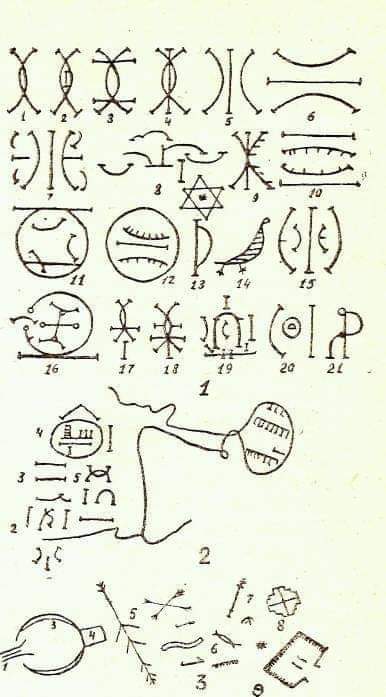
Nsibidi, an indigenous form of writing from Eastern Nigeria, has a fascinating and untold history. Also known as nisibiri, nchiddi, or nichibidi, it is a system of pictograms that were used in the southeastern and part of the south south regions of Nigeria. While some suggest that some symbols are logograms or syllabograms, they have been primarily seen as pictograms.
These symbols date back several centuries and early forms have been found on excavated pottery, as well as on ceramic stools and headrests from the Calabar region. They have been discovered with varying dales ranging from 400 to 1400 CC. The use of Nsibidi was prevalent among different ethnic groups across the Eastern region, including the Igbo, Ekiod, Ibibio-Efik, and more. Despite the presence of different dialects, Nsibidi was truly understood and utilized within the old Eastern region.
Unfortunately, like many other aspects of African history, Nsibidi has often been misunderstood and mislabeled. Early educators, who were mostly converts of missionaries, unfairly labeled these symbols as occultic signs without proper investigation or understanding. This labeling diminished the significance of this important piece of our history.
However, there is strong evidence that our ancestors had been using Nsibidi as a written form of communication for thousands of years before the arrival of Europeans. The photo provided here offer a glimpse into this rich history that has yet to be fully explored and appreciated.
To be continued…
About The Author


