
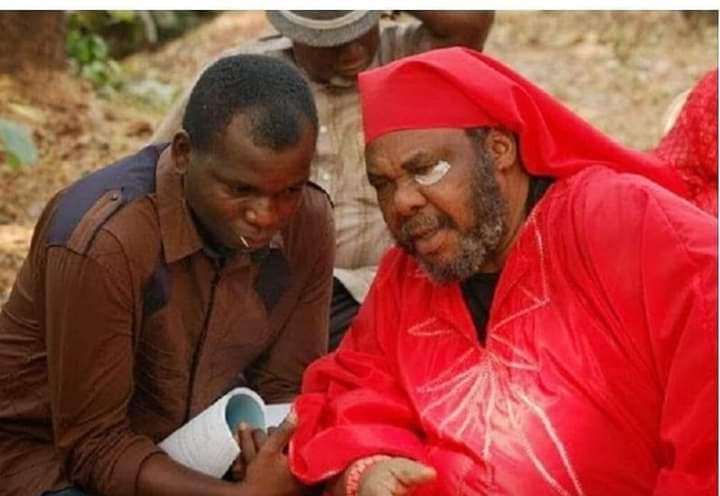
DIBIA OR NATIVE DOCTOR
In Igbo culture, a DIBỊA is someone who possesses extensive knowledge of nature and spirituality. They are often referred to as wise ones, great ones, the eyes of the gods, or doctors, which is the literal translation of the word DIBỊA in Igbo language (native doctors).
Becoming a DIBỊA is a divine calling for some people, while others acquire the knowledge by serving as apprentices to experienced DIBỊAs. There are several branches within the field of DIBỊA, each representing a vast body of knowledge, similar to the various specialties within the medical profession.
For example, in the Western world, the term “doctor” encompasses multiple definitions:
1. A teacher or a learned person.
2. Someone who holds a doctorate degree.
3. A physician or surgeon.
4. A licensed practitioner of the healing arts, such as osteopathy, dentistry, or veterinary medicine. The word “doctor” originated from the old Latin term “doctore,” meaning a teacher, and evolved to “doctor” in Middle English, referring to a teacher or a learned person.
In the Igbo tradition, being a DIBỊA involves several areas of expertise. These include:
1. DIBỊA NGBỌRỌGWỤ NA MKPA AKWỤKWỌ: These are herbalists, specialising in the discovery and treatment of illnesses using roots, herbs, and natural materials. Their primary focus is preserving life.
2. EZEMMỤỌ (CHIEF PRIEST OF AN ORACLE): They serve as mediators between the people and the oracles, offering sacrifices to the gods and the Oracle. They are known as the voice of the gods or the eyes of the gods, alerting the community when something goes wrong.
3. DIBỊA OWUMMIRI: They act as intermediaries between people and water spirits, specifically addressing issues related to water spirits such as ọgbanje (a kind of evil spirit) and iyiụwa (a form of spiritual possession). Their role involves performing sacrifices and facilitating solutions to problems involving water spirits.
4. DIBỊA MGBA AFA, OR MGBA NSI: These dibias are diviners, soothsayers, or fortune tellers with expertise in spiritual inquiries. They consult ancestors to identify the root cause of problems and recommend permanent solutions. If their abilities are limited, they may refer the person to a higher power for assistance.
5. DIBỊA NHA MMIRI (RAIN DOCTORS): They possess the power to control rain and winds. They can manipulate weather conditions, such as making it rain or stopping rainfall. Within this field, some specialise in manipulating wind direction (ịchụmmiri), while others focus solely on creating rainfall (Ịhammiri), and some possess the ability to control both.
It’s important to understand that these different types of DIBỊAs exist within their respective fields. While some may possess multiple areas of expertise, some may focus solely on specific practices.
Becoming a DIBỊA is not a license to harm or carry out atrocities. The role of a DIBỊA is to save lives, heal, teach, and uplift the community. Although they possess knowledge of both positive and negative aspects, it is essential to prioritize positivity, especially when it involves matters of life.
It is worth considering the positive aspects of African healing strategies and DIBỊAs, rather than solely focusing on the negative experiences. While there may be bad actors among them, it is important to remember that diseases like Ebola, SARS, Lassa fever, HIV, and AIDS COVID etc were not created by DIBỊAs or native doctors. African spirituality is not an inherently evil practice; it promotes positivity and maintaining positive vibrations.
Before Western psychiatric treatment was introduced to Africa, Africans had been successfully treating psychiatric cases, including various forms of madness. Similarly, Africans enjoyed good health and effective medications through natural remedies and spirituality before Western healthcare practices were introduced. African healing traditions provide antidotes to poisons, cures for illnesses, and remedies for various problems.
About The Author


