
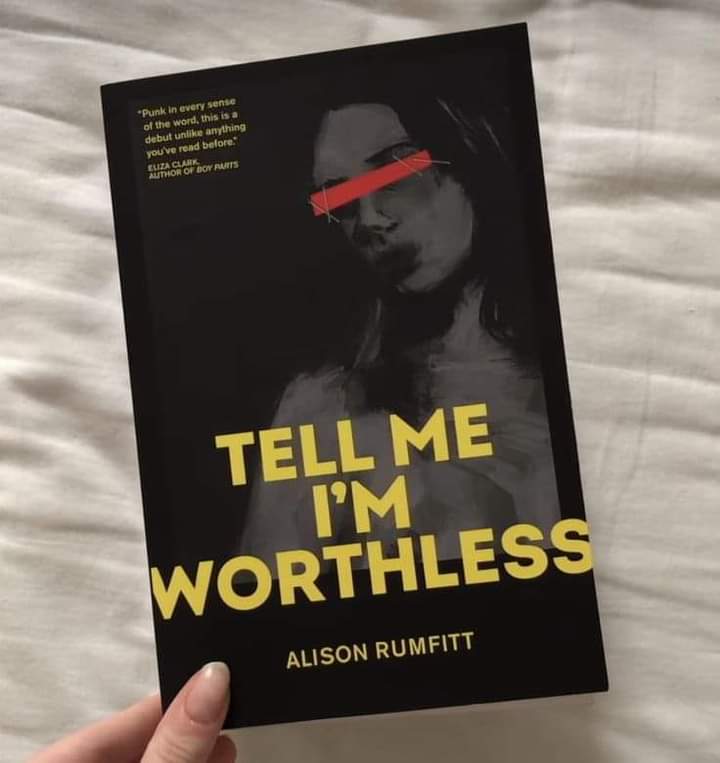
10 Lessons from Tell Me I’m Worthless:
Alison Rumfitt’s “Tell Me I’m Worthless” is a powerful and unsettling novel that explores trauma, identity, and the horrors that can lurk within ourselves and our communities. While disturbing, it offers valuable insights through its dark lens. Here are 10 lessons you can glean from this unsettling read:
1. The Haunting Power of Trauma: The novel vividly portrays the long-lasting impact of trauma, its ability to distort perceptions and shape one’s reality. It reminds us of the importance of seeking help and understanding the complex ways trauma can manifest.
2. The Facets of Identity: The characters grapple with multifaceted identities, including gender, sexuality, and belonging. The book challenges readers to confront their own assumptions and biases regarding identity and embrace its fluidity and complexity.
3. The Dangers of Toxic Masculinity: The novel exposes the destructive nature of toxic masculinity, its tendency to breed violence and self-destruction. It encourages readers to critically examine harmful gender norms and promote healthier ways of being in the world.
4. The Weaponization of Language: Words can be powerful tools, for good or ill. “Tell Me I’m Worthless” highlights the use of language to manipulate, control, and inflict emotional harm. It emphasizes the importance of mindful communication and responsible use of language.
5. The Power of Facing Your Demons: The characters confront their inner demons, both personal and societal. While challenging, this confrontation becomes a necessary step towards healing and personal growth. The book reminds us that confronting our darkest aspects is crucial for true self-understanding.
6. The Importance of Community: Despite the darkness, glimmers of hope emerge through community support and solidarity. The book emphasizes the importance of finding supportive connections and allies, especially in the face of adversity and isolation.
7. The Question of Agency: The characters grapple with the complexities of agency, questioning how their choices and actions are shaped by trauma, external forces, and internal struggles. The book encourages us to engage in critical self-reflection and consider the factors that influence our choices.
8. The Blurring of Lines Between Reality and Horror: The novel skillfully blends elements of psychological realism and supernatural horror, blurring the lines between fiction and reality. This challenges us to question our own perceptions and consider the possibility of unseen forces influencing our world.
9. The Power of Storytelling: “Tell Me I’m Worthless” showcases the power of storytelling as a tool for exploring dark truths, confronting personal demons, and sparking dialogue about critical issues. It reminds us of the importance of sharing our stories and listening to the voices of others.
10. The Need for Open Dialogue: The novel tackles sensitive and challenging themes, urging readers to engage in open and honest conversations about trauma, identity, and the complexities of human behavior. It encourages us to move beyond silence and stigmas to create a more inclusive and understanding society.
About The Author


