Most people don’t actually lose control of their money all at once. It usually happens quietly. Small purchases here and there, subscriptions you forgot about, convenience spending when you’re tired. Then one day, you check your balance and feel confused.
This is where AI tools that track spending and habits come in. Not to judge you or force strict rules, but to help you see what’s happening in a way that finally makes sense.
If you’ve never used anything like this before, don’t worry. You don’t need financial knowledge, and you don’t need to be “good with money.” These tools are designed for normal people with busy lives.
What tracking spending really means today
Tracking used to mean writing down expenses or checking statements line by line. Most people gave up because it took too much effort.
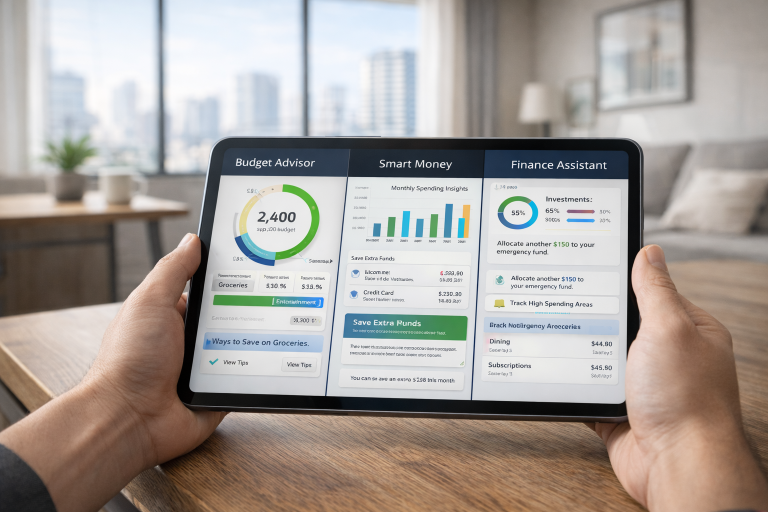
Modern AI spending trackers work differently. You connect your bank account or card once, and the app quietly observes your spending. Over time, it starts to understand patterns. Not just how much you spend, but when and why.
Instead of raw numbers, you get explanations. Things like:
- “Your spending rises toward the end of the month.”
- “Food and transport take more money than you expect.”
- “You spend more on weekends than weekdays.”
This kind of insight is what helps people change habits without feeling restricted.
How these tools learn your habits
The first few weeks are simple. The app is just watching and organizing transactions. At this stage, the feedback is basic, and that’s normal.
After about a month, something shifts. The app starts comparing periods, noticing trends, and pointing out habits you probably never thought about. By the second or third month, the insights feel more personal.
This is why patience matters. These tools aren’t instant solutions. They work by learning you.
Why habit tracking works so well for city living
Urban life is expensive and unpredictable. Transport costs change. Food prices fluctuate. Social spending creeps in. Some months feel manageable; others don’t.
AI spending trackers don’t expect consistency. They adapt to real life. They notice seasonal changes, lifestyle shifts, and busy periods when spending naturally increases.
That flexibility is what makes them helpful instead of stressful.
The types of AI spending tools you’ll come across
Some tools focus on daily awareness. They’re good if you want to understand where your money goes without making big changes yet.
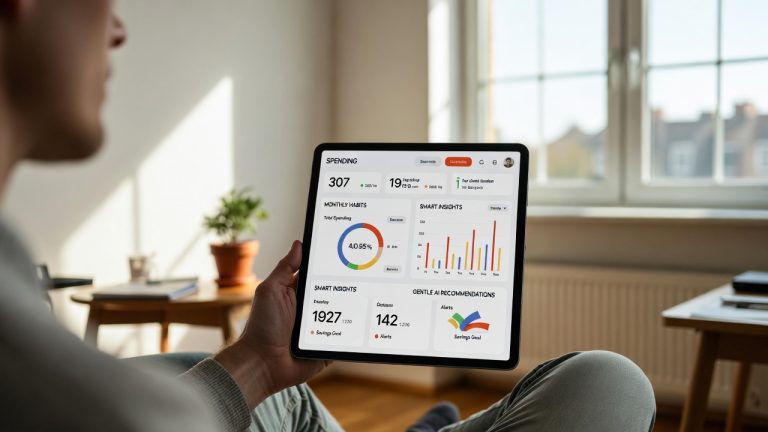
Others focus on monthly patterns and habit insights. These are better for people who want to slowly improve their spending over time.
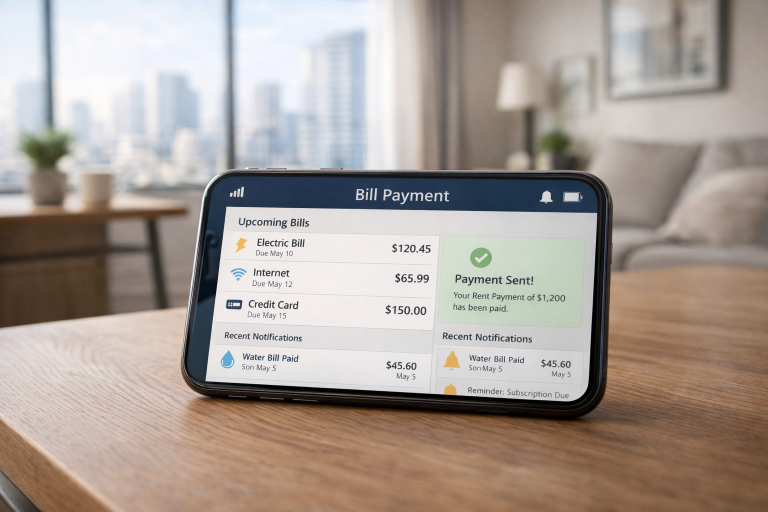
There are also tools that specialize in spotting small leaks—subscriptions, recurring charges, and convenience spending that quietly adds up.
You don’t need all of them. One good tool that fits your personality is enough.
Seasonal spending patterns you probably overlook
Most people think their spending problems are random. They’re not.
AI tools often reveal patterns tied to seasons and routines. Transport costs may rise during rainy months. Food spending may increase during stressful work periods. Shopping may spike around holidays.
Once you see these cycles, planning becomes easier. Instead of feeling guilty, you prepare.
Getting started without feeling overwhelmed
Start simple. Connect one account. Let the app observe for a few weeks.
Don’t check it every day. Weekly summaries are more helpful and less stressful.
When the app points out a habit, don’t try to fix everything at once. Pick one thing. Cancel one subscription. Adjust one category. Small changes add up.
Common mistakes beginners make
One common mistake is expecting the app to “fix” spending automatically. It won’t. It shows you the truth. What you do with that information is what matters.
Another mistake is ignoring insights because they feel uncomfortable. That discomfort is often where the learning is.
Some people also link too many accounts too quickly and feel overwhelmed. Slow works better.
Is it safe to use these tools?
Reputable AI spending trackers use strong security and read-only access. That means they can see transactions but can’t move your money.
Still, always choose tools with clear privacy policies, good reviews, and strong security options like two-factor authentication.
Your comfort matters.
Why awareness changes everything
Most people don’t overspend because they don’t care. They overspend because they don’t see patterns clearly.
Once you understand your habits, decisions feel easier. You stop reacting and start planning. That’s the real benefit of AI spending trackers—not control, but clarity.
Final thoughts
If you’ve ever felt unsure about where your money goes, an AI spending tracker is one of the easiest places to start.
It doesn’t demand perfection. It doesn’t force rules. It simply helps you understand your habits, one insight at a time.
And for most people, that understanding is the beginning of better money decisions.
Frequently Asked Questions
1. What does an AI spending tracker actually do?
An AI spending tracker automatically connects to your financial accounts and categorizes what you spend. Over time, it doesn’t just list transactions but explains patterns—like how certain habits or times of the month affect your spending—so you can make smarter decisions without manually logging every expense.
2. How long does it take before an AI tool’s insights feel useful?
Most AI tools need about 3–4 weeks of connected data to start recognizing real patterns. That’s when weekly summaries and habit insights begin to reflect your actual life routine instead of random numbers.
3. Are AI spending trackers safe to use with my bank accounts?
Reputable tools use strong encryption and read-only access, meaning they can see your transactions but can’t move money. Always choose apps with transparent privacy policies and security features like two-factor authentication.
4. Can an AI spending tracker help if my income varies month to month?
Yes. These tools learn how your cash flow changes and adjust their recommendations. They’re especially useful for freelancers or gig workers because they help you predict spending and savings even when income isn’t steady.
5. Will an AI spending tracker make me a better saver?
Not automatically. What these tools do is turn your habits into clear insights instead of confusing numbers. Once you see where money goes and why, it becomes easier to choose better saving habits. That awareness—more than pressure or rules—is what helps most people improve.
Helpful Resources
- MyMoney.gov – Federal Financial Literacy and Education
https://www.mymoney.gov/ - Consumer Financial Protection Bureau (CFPB) – Your Money, Your Goals Toolkit
https://www.consumerfinance.gov/consumer-tools/educator-tools/your-money-your-goals/toolkit/ - Federal Reserve – Budgeting 101: Spending and Budgeting Basics
https://www.federalreserveeducation.org/teaching-resources/personal-finance/spending-budgeting/budgeting-101
About The Author