
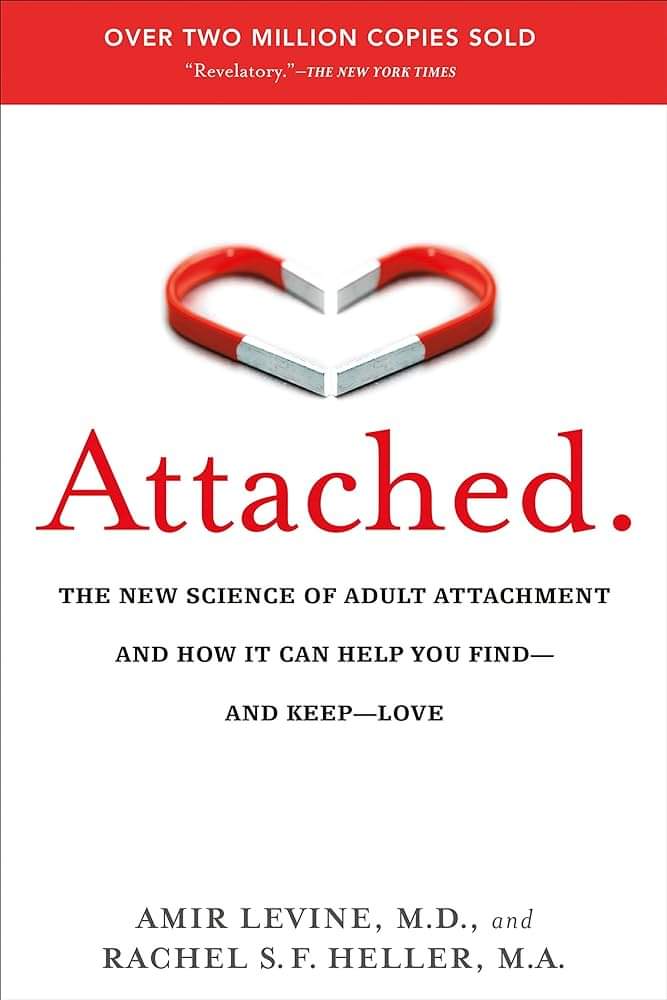
10 Key Lessons from Attached: The New Science of Adult Attachment:
1. Understanding your attachment style: The book introduces three main attachment styles: Anxious, Avoidant, and Secure. Recognizing your own style and that of your partners can provide crucial insights into your relationship dynamics.
2. Attachment styles are formed in early childhood: Our primary caregivers shape our attachment patterns, which influence how we connect with others in adulthood.
3. Attachment styles are not fixed: While early experiences leave a mark, the book emphasizes that attachment styles can evolve and change through self-awareness and conscious effort.
4. Communication is key: Open and honest communication about needs, expectations, and anxieties is essential for navigating relationship challenges related to attachment styles.
5. Secure attachment is the goal: While all styles have strengths and weaknesses, secure attachment is associated with healthier, more fulfilling relationships. Working towards becoming more secure can benefit both you and your partner.
6. Relationships with different attachment styles can work: Understanding the dynamics of each style and practicing effective communication can foster successful relationships even with partners who have different attachment styles.
7. Compassion and empathy are crucial: Approaching yourself and your partner with understanding and compassion can create a safe space for healing and growth within the relationship.
8. Boundaries are important: Setting healthy boundaries protects your emotional well-being and helps maintain balanced relationships regardless of attachment styles.
9. Professional help can be valuable: If you struggle with understanding your attachment style or navigating its impact on your relationships, seeking therapy from a qualified professional can be highly beneficial.
10. Self-awareness is the foundation for change: Cultivating self-awareness about your attachment style, triggers, and patterns is the first step towards creating healthier and more fulfilling relationships.
Remember: These are just potential takeaways, and your individual learnings might differ based on your own experiences and interpretations. “Attached” offers a complex framework for understanding adult attachment, and it’s recommended to approach the book with an open mind and willingness for self-reflection.
About The Author


