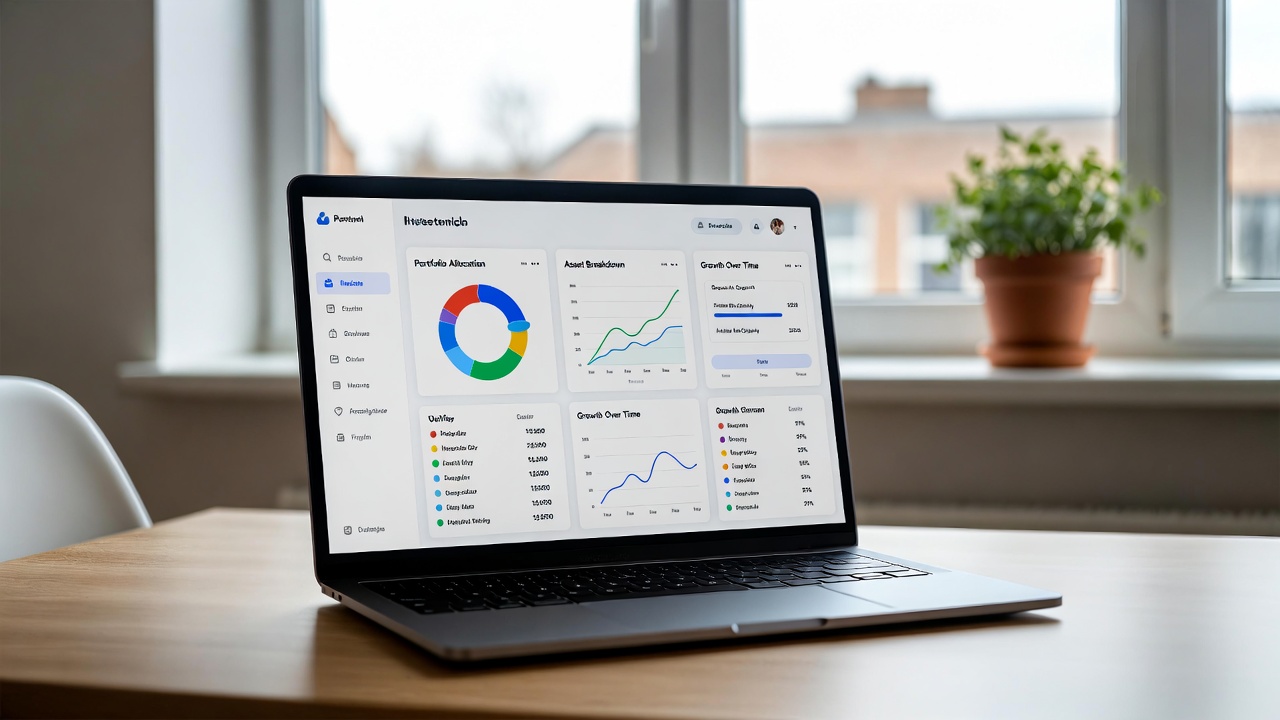
If you’ve ever opened an investing app, stared at charts, and wondered whether you’re already behind, you’re not alone. For a lot of people living busy urban lives, investing used to feel like something you’d “get to later” — after you had more time, more money, or more confidence. AI-powered investment platforms have quietly changed that.
I’ve watched these platforms evolve from basic robo-advisors into full-blown financial copilots. They don’t just rebalance portfolios anymore. They help beginners decide how much to invest, where to invest, and when to stay calm during market swings. But not all AI investment platforms are built the same, and choosing the wrong one can feel just as confusing as doing everything manually.
This guide compares today’s leading AI investment platforms in plain language, with real-world examples, seasonal market context, and practical advice you can actually use.
What AI Investment Platforms Really Do (Without the Hype)
At their core, AI investment platforms automate decisions that used to require spreadsheets, advisors, or years of experience. When you sign up, most platforms ask about your income, goals, timeline, and risk comfort. From there, the system builds a diversified portfolio — usually a mix of stocks, bonds, and sometimes alternatives — and manages it automatically.
What’s changed in recent years is how adaptive these platforms have become. Modern AI investment platforms learn from market behavior, adjust allocations when volatility spikes, and even factor in cash flow patterns common to urban lifestyles, like irregular freelance income or high rent payments.
Instead of reacting emotionally to headlines, the platform sticks to a strategy. For beginners, that emotional buffer alone can be worth more than chasing higher returns.
How Beginners Actually Use AI Investing in Real Life
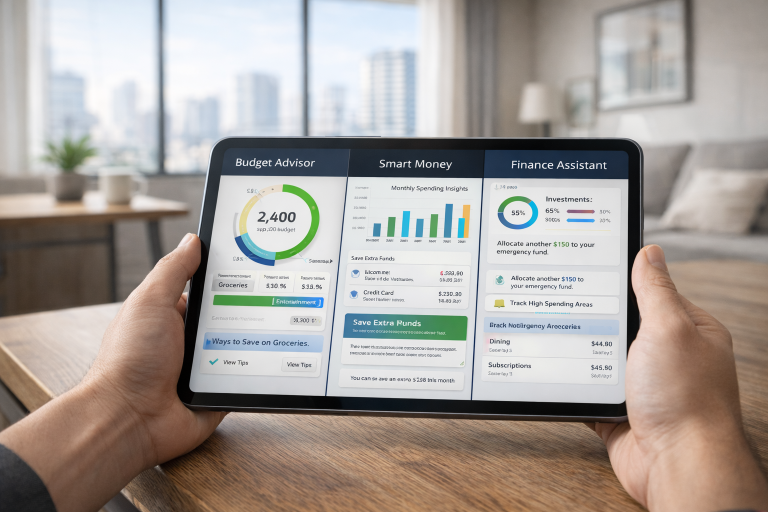
Most beginners don’t start with a lump sum. They start with automation. A common setup I see is someone investing $50–$300 per month automatically, timed to payday. The platform spreads that money across assets, reinvests dividends, and quietly rebalances in the background.
In cities, where expenses fluctuate and savings goals compete with rent, AI investing works best when it’s boring. You set it up once, check it occasionally, and let consistency do the heavy lifting.
Seasonal patterns matter here too. Many platforms adjust risk exposure slightly toward the end of the year when markets tend to see more volatility, or they help users increase contributions during high-income months like bonus season or tax refund periods.
Comparing Top AI Investment Platforms for Beginners
Here’s a clear side-by-side look at some of the most beginner-friendly AI investment platforms available today.
| Platform | Features | Fees | Minimum Investment | Best For |
|---|---|---|---|---|
| Betterment | Automated portfolios, tax-loss harvesting, goal tracking | ~0.25% annually | $10 | Hands-off beginners |
| Wealthfront | Advanced automation, financial planning tools | ~0.25% annually | $500 | Long-term planners |
| SoFi Automated Investing | No management fees, goal-based investing | $0 | $1 | New investors on a budget |
| Vanguard Digital Advisor | Low-cost funds, conservative strategies | ~0.15% annually | $3,000 | Long-term, low-risk investors |
| Acorns | Micro-investing, round-ups | $3–$5/month | $5 | Habit-builders |
Each of these platforms uses AI differently. Some focus on deep portfolio optimization, while others prioritize simplicity and behavior change. The best choice depends less on “performance” and more on whether you’ll actually stick with it.
How to Choose the Right AI Investment Platform
When helping beginners choose a platform, I usually ask three questions.
First, how hands-on do you want to be? If you want to “set it and forget it,” platforms like Betterment or Vanguard Digital Advisor shine. If you enjoy checking progress and tweaking goals, Wealthfront offers more detail without overwhelming you.
Second, what’s your starting point? If you’re investing your first $100, platforms with low or no minimums make a huge difference psychologically. Getting started matters more than optimizing fees early on.
Third, how stable is your income? If your earnings fluctuate, choose a platform that allows flexible contributions and doesn’t penalize pauses.
Expected Returns and Realistic Timelines
AI investment platforms don’t promise magic returns — and that’s a good thing. Most aim to match or slightly outperform traditional diversified portfolios over time, typically averaging 5–8% annually depending on risk level and market conditions.
For beginners, the real benefit shows up after about 12–18 months. That’s when compounding starts to feel tangible, and when most people realize they didn’t miss the market — they just needed consistency.
Short-term volatility still happens. AI doesn’t eliminate downturns, but it helps you avoid the costly mistake of pulling out at the wrong time.
Urban Investing Habits and Seasonal Market Behavior
Living in a city changes how people invest. Rent increases, commuting costs, and lifestyle inflation all compete with long-term goals. AI platforms help smooth this by adjusting contributions dynamically and keeping portfolios aligned even when life gets expensive.
Seasonally, markets tend to see more volatility around earnings seasons, elections, and year-end tax planning. AI platforms don’t predict the future, but they’re excellent at responding rationally — reducing overexposure when risk spikes and rebalancing when opportunities appear.
Practical Tips for Getting Started Without Overthinking
Start small, automate contributions, and don’t chase performance screenshots on social media. AI investment platforms work best when they fade into the background of your life.
Review your goals once or twice a year. Increase contributions when your income rises. Let the system handle the rest.
Conclusion
AI-powered investment platforms have made investing more accessible than ever, especially for beginners who don’t have the time, confidence, or interest to manage portfolios manually. The right platform won’t just grow your money — it will help you stay invested through real life.
Consistency, patience, and choosing a platform that fits your habits matter far more than picking the “best” algorithm. Start where you are, automate wisely, and let time do its job.
FAQ
Are AI investment platforms safe for beginners?
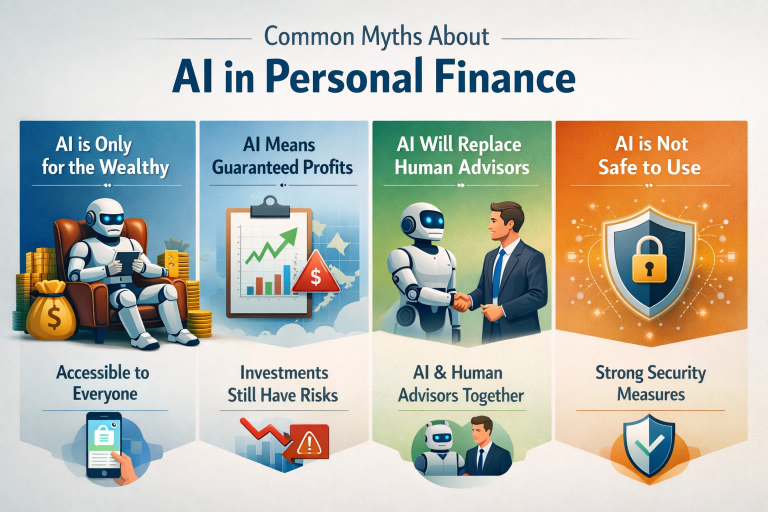
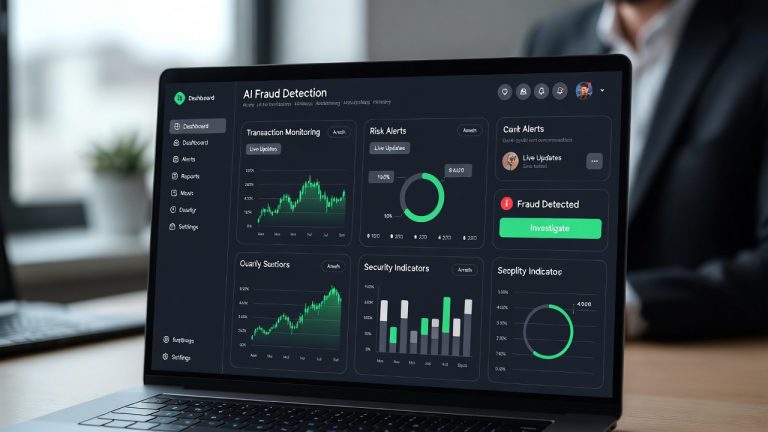
Yes, most reputable platforms use regulated custodians, encryption, and diversified portfolios. The bigger risk for beginners isn’t technology — it’s emotional decision-making, which AI platforms help reduce.
Can I lose money using AI investment platforms?
Market risk always exists. AI can’t prevent losses during downturns, but it helps manage risk and avoid panic-driven decisions that often cause bigger losses.
How much money do I need to start?
Many platforms let you start with as little as $1–$10. What matters more is consistent contributions than the initial amount.
Do AI platforms replace human financial advisors?
For basic investing and goal-based planning, yes. For complex situations like estate planning or business ownership, human advisors still add value.
How often should I check my AI investment account?
Once a month or even once a quarter is enough. Overchecking can lead to unnecessary stress and poor decisions.
Are AI investment platforms good during market volatility?
They’re often better than humans during volatile periods because they stick to predefined strategies instead of reacting emotionally.
About The Author