
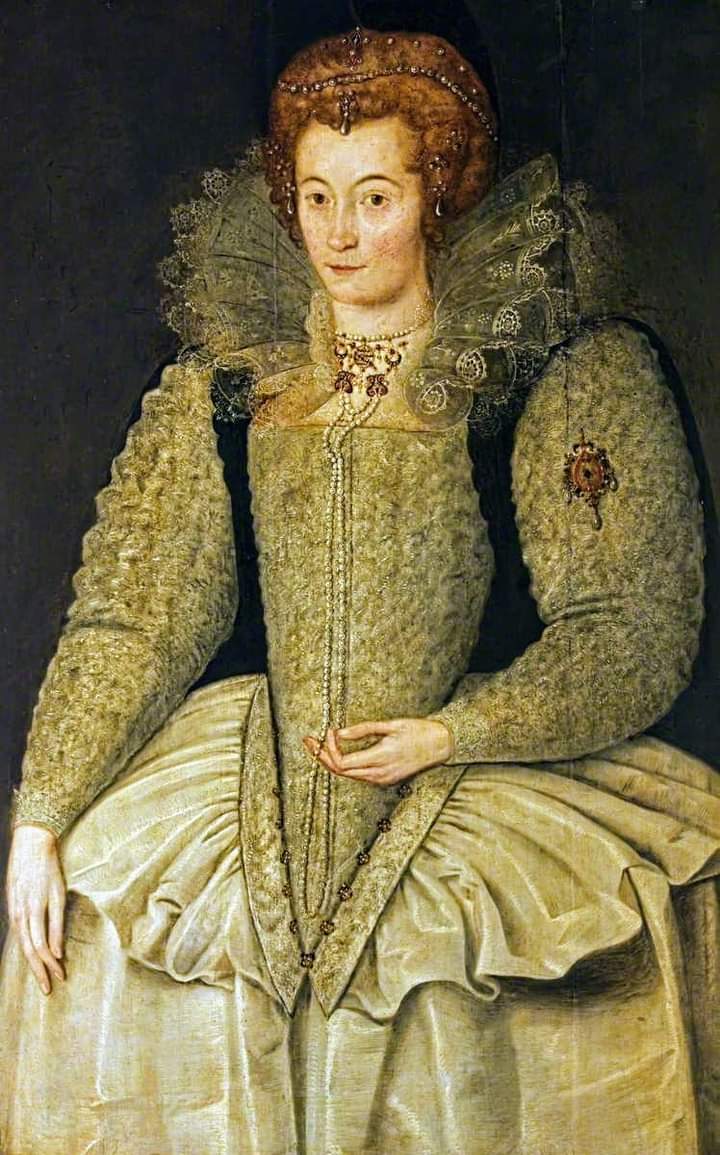
Blanche Parry, Chief Gentlewoman to Queen Elizabeth I
Blanche Parry was Queen Elizabeth’s Chief Gentlewoman of the privy chamber.
She was also Keeper of the Queen’s Jewels and furs and Keeper of The Queens Books.
Blanche was constantly with Elizabeth, from the cradle until she was 56 years old.
Blanche stayed at her side, tended to her needs, read and conversed with her, played music with her, hunted and dined with her, and laughed and gossiped with her on a daily basis.
She was Elizabeth’s steadfast companion, and confidante.
Blanche was discreet, meticulous, trustworthy, elegant, respected and evidently well-liked.
Blanche was born in Wales in either 1507 or 08. Blanche’s family were prominent gentry.
Blanche’s father was Steward of the Cistercian Dore Abbey and was also Sheriff of Herefordshire.
Her mother was Alice Milborne, the English daughter and co-heiress of Simon Milborne.
Blanche came to court during the reign of Henry VIII.
She became involved with the welfare of the young princess and in the day to day affairs of the Privy Chamber – initially in tandem with Kat Ashley.
Blanche was bilingual in Welsh and English and it is thought that she taught the young Elizabeth Welsh also.
Blanche never married, she remained devoted to Elizabeth all her life.
She was always in attendance, governing the busy daily activities of the Privy Chamber at court.
Blanche would have been in charge of many of the intimate daily routines of the Queen’s life.
Dressing, toilet, washing, grooming and coordinating the correct gowns, jewels and furs for formal occasions.
She would have been involved in organising entertainments and diversions, including music, plays and masques – all of which were regular features of life.
It was a position of immense responsibility and one which demanded the greatest integrity, intelligence and honesty.
That she performed these duties for so many decades of faithful service is astonishing.
An achievement matched only by those of her close cousin William Cecil – Lord Burghley
William Cecil and Blanche worked closely together through the years.
Blanche’s salary was very generous.
At one time it was recorded as being set at £33 6s.
The annual salary at the time of a typical maidservant was around just £3 per annum.
Blanche also would have received meals, clothing and accommodation for herself and her own servants in the luxurious rooms of the great royal palaces occupied by the Queen, as she and the court moved from place to place.
Letters and documents of the time describe Blanche in a pivotal role about court – the acknowledged ‘go-between’ for anyone seeking the Queen’s ear.
Often she would be found at the doorway to the privy chambers, or else close to her Queen, watching all the comings and goings of ladies and courtiers.
Blanche Parry died on 12th February 1590, aged 82.
She was buried in St. Margaret’s Church, Westminster, with the rank of baroness, the queen having paid all her funeral expenses.
Two monuments to her memory survive, the unused monument in St. Faith’s Church, Bacton, Herefordshire, and her tomb monument in St Margaret’s, Westminster.
The Bacton Altar cloth, which has been treasured for centuries, was thought to have been embroidered by Blanche Parry.
However, the cloth may have actually come from a dress belonging to Queen Elizabeth I.
The cloth was a gift from the queen to Blanche Parry, who then donated it to her parish church.
? Blanche Parry-Chief Gentlewoman of Queen Elizabeth’s most honourable Privy Chamber and Keeper of Her Majesty’s jewels c.1590/1600
Attributed to Marcus Gheeraerts the Younger.
About The Author


